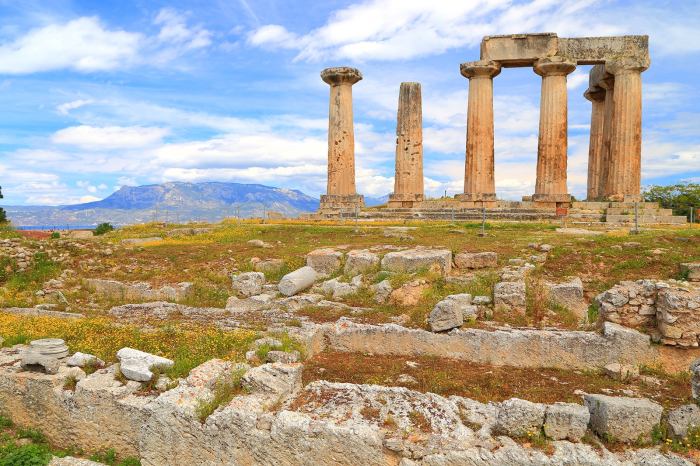
Journey through time and uncover the secrets of ancient Greece. This travel guide unveils the majestic ruins that stand as testaments to a civilization that shaped Western culture. From the iconic Acropolis to the enigmatic Palace of Knossos, we’ll explore the historical significance, architectural marvels, and cultural impact of these incredible sites. Prepare to be captivated by the stories etched in stone and the enduring legacy of ancient Greece.
This guide provides a comprehensive itinerary, practical tips for planning your trip, and insights into enhancing your experience beyond the ruins themselves. We will cover everything from optimal travel times and transportation options to budget considerations and cultural etiquette, ensuring a smooth and enriching journey through the heart of ancient Greece.
A Traveler’s Guide to Ancient Greece
Step back in time and journey to the birthplace of democracy, philosophy, and Western civilization. Ancient Greece, a land steeped in myth and history, beckons with its breathtaking ruins, each stone whispering tales of gods, heroes, and empires. From the majestic Parthenon to the enigmatic Minoan palaces, a journey through these archaeological wonders offers an unparalleled glimpse into a civilization that continues to shape our world.
This guide will illuminate the historical significance of several key sites, providing you with the knowledge and context to fully appreciate your exploration.The sites explored in this guide represent pivotal moments in Greek history, spanning from the Minoan civilization (c. 2700-1450 BCE), known for its advanced culture and intricate palaces, to the Classical period (c. 500-323 BCE), marked by the rise of Athens and the flourishing of democracy and artistic expression.
We’ll traverse centuries of innovation, conflict, and cultural exchange, witnessing the legacy of the Greeks through their architectural marvels, intricate sculptures, and enduring societal structures.
The Acropolis of Athens
The Acropolis, a citadel perched high above Athens, stands as a testament to the power and artistry of Classical Greece. Dominated by the Parthenon, a temple dedicated to the goddess Athena, the Acropolis also includes the Erechtheion, a temple with iconic caryatid columns, and the Propylaea, a monumental gateway. Construction began in the 5th century BCE, under the leadership of Pericles, a pivotal figure in Athenian history.
The Parthenon’s intricate friezes depicting scenes from Greek mythology are a masterpiece of sculpture, showcasing the sophisticated skills of the era’s artisans. The Acropolis offers panoramic views of the city below, enhancing the experience of standing amidst these iconic structures, offering a profound connection to a civilization’s apex.
The Palace of Knossos
Located on the island of Crete, the Palace of Knossos is the largest and most well-known of the Minoan palaces. Excavations have revealed a complex labyrinthine structure, with intricate frescoes depicting vibrant scenes of Minoan life. The palace, dating back to the Bronze Age, showcases the advanced civilization of the Minoans, characterized by their sophisticated architecture, art, and writing system (Linear A).
The palace’s layout, with its courtyards, workshops, and residential quarters, suggests a highly organized and prosperous society. The iconic bull-leaping fresco provides a vivid representation of a popular Minoan sport, showcasing their unique cultural practices. The sheer scale and complexity of Knossos provides a compelling insight into a civilization that flourished centuries before the rise of Classical Greece.
The Temple of Artemis at Ephesus
While technically located in modern-day Turkey, the Temple of Artemis at Ephesus is included due to its significant influence on Greek culture and its status as one of the Seven Wonders of the Ancient World. Dedicated to the Greek goddess Artemis, this temple was renowned for its immense size and grandeur. Originally constructed in the 6th century BCE, it was repeatedly rebuilt and expanded throughout its history.
The temple’s immense scale, with its numerous columns and elaborate ornamentation, represented the power and wealth of the city of Ephesus. While only ruins remain today, the scale of the foundation and scattered remnants of columns convey the immense size and splendor of the original structure, illustrating the remarkable engineering feats of the ancient world and the importance of religious devotion in shaping ancient societies.
Accommodation and Budget Considerations
Planning your trip to Greece requires careful consideration of both accommodation and budget. Finding the right balance between comfort and cost is key to ensuring a memorable and stress-free experience exploring the ancient wonders of this captivating country. The options available are diverse, catering to a wide range of preferences and budgets.
Types of Accommodation and Price Ranges
Greece offers a variety of accommodation options, each with its own set of amenities and price points. Choosing the right one depends heavily on your travel style and budget.
- Hotels: Hotels range from budget-friendly options to luxurious resorts. Budget hotels typically start around €50-€80 per night for a double room, offering basic amenities like a private bathroom and Wi-Fi. Mid-range hotels (€80-€150 per night) provide more amenities, such as pools and on-site restaurants. Luxury hotels can cost significantly more, reaching upwards of €200+ per night. These often include spas, multiple dining options, and concierge services.
- Guesthouses: Guesthouses offer a more intimate and often more affordable alternative to hotels. Prices typically range from €40-€70 per night for a double room, although this can vary depending on location and season. Amenities are generally more basic than hotels, but guesthouses often provide a more personal experience with local insights and hospitality.
- Airbnb: Airbnb provides a wide selection of apartments, villas, and rooms for rent, offering a range of price points and amenities. Prices vary greatly depending on location, size, and amenities, ranging from €30 per night for a basic room to several hundred euros per night for a luxury villa. Airbnb often offers a more local and authentic experience, allowing you to live like a local during your stay.
Sample Budget Breakdown for a Week-Long Trip
This is a sample budget and can vary greatly depending on your travel style and choices. This example assumes travel during shoulder season (spring or fall) for potentially lower prices.
| Category | Estimated Cost (per person) |
|---|---|
| Accommodation (7 nights, mid-range hotel/Airbnb) | €560 – €700 |
| Food (including meals and snacks) | €350 – €500 |
| Transportation (flights, local transport, ferries) | €300 – €500 |
| Entrance fees to sites and museums | €100 – €150 |
| Activities and entertainment | €100 – €200 |
| Total Estimated Cost | €1410 – €2050 |
Note: This budget is an estimate. Costs can be significantly lower by choosing budget accommodation, eating at local tavernas, and utilizing public transport. Conversely, luxury travel will increase these costs considerably.
Tips for Saving Money in Greece
Choosing budget-friendly options for accommodation, food, and transport is crucial for saving money. Consider staying in guesthouses or Airbnb outside of major tourist centers. Eating at local tavernas instead of tourist restaurants can drastically reduce food costs. Utilizing public transport, walking, or cycling instead of taxis will also save money. Finally, taking advantage of free activities like exploring beaches or hiking trails can significantly reduce the overall cost of your trip without sacrificing enjoyment.
Enhancing Your Experience
Exploring ancient ruins is undoubtedly the highlight of any Greek adventure, but to truly appreciate the richness of Greece, venture beyond the historical sites. Delving into the vibrant culture and daily life of modern Greece will significantly enrich your journey, creating memories as vivid as those from the ancient world. This section offers suggestions for activities that complement your exploration of historical sites, ensuring a well-rounded and unforgettable experience.Exploring beyond the immediate vicinity of ancient ruins provides a deeper understanding of the context in which these historical marvels existed and continue to resonate.
Immersing yourself in the local culture allows you to connect with the present-day life that has grown from the ancient past.
Local Markets and Cuisine
Greek markets are a sensory feast. From the bustling fish markets of Athens to the aromatic spice stalls of Crete, these vibrant hubs offer a glimpse into daily life. You can witness local farmers selling fresh produce, artisans displaying their handcrafted goods, and experience the lively bartering that is part of the culture. Sampling local delicacies like fresh olives, feta cheese, and honey provides an authentic taste of Greece.
Many markets also offer prepared foods, allowing you to enjoy a quick and delicious lunch amidst the vibrant atmosphere. The experience is far more than just shopping; it’s a cultural immersion.
Cultural Events and Museums
Greece hosts numerous cultural events throughout the year, ranging from music festivals and theatre performances to traditional dances and art exhibitions. Checking local event listings before your trip can reveal hidden gems and opportunities to experience Greek culture in a dynamic setting. Furthermore, numerous museums throughout the country showcase artifacts from various historical periods, providing a broader perspective on the history and culture beyond the ruins themselves.
The Acropolis Museum in Athens, for example, houses a vast collection of artifacts discovered on the Acropolis, offering a deeper understanding of the site’s significance.
Respecting Historical Sites and Local Culture
Respect for both the historical sites and the local culture is paramount. When visiting ancient ruins, it’s crucial to adhere to posted regulations, refrain from touching or climbing on structures, and avoid leaving any litter behind. Photography is often permitted, but it’s always courteous to check any signage before taking pictures. In terms of local culture, dressing modestly when visiting religious sites is a sign of respect.
Learning a few basic Greek phrases, such as “kalimera” (good morning) and “efharisto” (thank you), demonstrates your appreciation for the local culture and enhances your interactions with the locals.
Local Customs and Etiquette
Understanding basic Greek customs ensures a smooth and respectful experience. Greeks are generally warm and welcoming, but understanding their social etiquette is important. Conversations often involve close proximity and physical touch, which is perfectly normal. Meals are often leisurely affairs, and it’s considered polite to savour your food and engage in conversation. Punctuality isn’t always strictly adhered to, especially in social settings.
Finally, remember that loud conversations and boisterous behaviour are generally frowned upon in public spaces. By demonstrating respect for these customs, you contribute to a positive and enriching exchange.
Travel Resources
Planning a trip to Greece to explore its ancient wonders requires careful consideration of various resources to ensure a smooth and enriching experience. This section provides a comprehensive overview of useful tools, agencies, and essential items to help you navigate your journey effectively and efficiently. From finding the best deals to staying connected and safe, we’ve got you covered.
Reliable Travel Agencies and Flight/Accommodation Deals
Several reputable travel agencies specialize in offering competitive deals on flights and accommodation to Greece. These agencies often bundle services, providing convenient packages that can save you both time and money. Directly booking flights and hotels through these agencies can sometimes yield better prices than booking individually through online travel agents (OTAs). Consider exploring options like Expedia, Kayak, Skyscanner, and specialized Greek travel agencies, many of which offer packages tailored to archaeological tours and island hopping.
Remember to compare prices across multiple platforms before committing to a booking.
Useful Travel Apps
Mobile applications significantly enhance the travel experience, offering a range of functionalities to simplify navigation, communication, and bookings. For navigation, Google Maps remains a reliable choice, providing offline map access and real-time traffic updates. Google Translate is invaluable for overcoming language barriers, while booking apps like Booking.com and Airbnb offer a wide selection of accommodation options. For discovering local attractions and planning itineraries, consider apps like TripAdvisor or a dedicated Greek tourism app, which might offer curated tours and experiences.
Reputable Travel Blogs and Websites
Staying updated on current travel advisories, local events, and the latest information regarding Greek destinations is crucial. Several reputable travel blogs and websites provide up-to-date information, reviews, and travel tips specific to Greece. Websites like The Greek Reporter, Rick Steves’ Europe, and numerous travel blogs focusing on Greece offer insights into lesser-known destinations, practical advice, and cultural information.
Regularly checking these resources before and during your trip will ensure you have the most current information.
Essential Travel Documents and Insurance
Prior to your departure, ensure you have all the necessary travel documents in order. This includes a valid passport with at least six months of validity remaining beyond your intended stay, any required visas (depending on your nationality), and travel insurance. Comprehensive travel insurance is highly recommended, covering medical emergencies, trip cancellations, lost luggage, and other unforeseen circumstances.
Remember to make copies of your passport and other important documents and store them separately from the originals.
Essential Travel Gadgets and Packing List
Packing appropriately for a trip to Greece involves considering the climate, the activities you plan to undertake, and the type of accommodation you’ve chosen. Here’s a suggested list:
- Comfortable walking shoes: Essential for exploring ancient ruins.
- Sunscreen with high SPF: Greece enjoys abundant sunshine.
- Hat and sunglasses: Protection from the sun is crucial.
- Reusable water bottle: Staying hydrated is important, especially during warmer months.
- Portable charger: Keeps your devices powered up.
- Universal adapter: For charging electronics.
- Phrasebook or translation app: Facilitates communication.
- First-aid kit: Containing essential medications and supplies.
- Camera: To capture memories of your exploration.
- Lightweight backpack: For carrying essentials during day trips.
Illustrative Descriptions of Key Sites
Greece’s ancient ruins offer a captivating journey through time, each site whispering tales of civilizations past. From the majestic Acropolis to the acoustically perfect theatre of Epidaurus and the enigmatic Palace of Knossos, these locations provide unparalleled glimpses into the rich tapestry of Greek history and mythology. Exploring these sites allows us to connect with the past in a deeply personal and evocative way, bringing ancient stories to life.
The Acropolis of Athens
Dominating the Athenian skyline, the Acropolis stands as a testament to the power and artistry of classical Greece. This ancient citadel, a rocky outcrop, is crowned by a collection of magnificent structures, most notably the Parthenon, the Erechtheion, and the Propylaea. The sheer scale and breathtaking views from the Acropolis alone make it a must-see destination. Imagine standing amidst these ancient stones, feeling the weight of history beneath your feet, and envisioning the bustling life that once filled this sacred space.The Parthenon, a temple dedicated to the goddess Athena, is perhaps the most iconic structure on the Acropolis.
Its majestic Doric columns, meticulously carved friezes depicting the Panathenaic procession, and the surviving sculptures that once adorned its pediments, evoke a sense of awe and wonder. The Erechtheion, a more intricate temple, features the iconic Caryatid Porch, where six sculpted female figures elegantly support the roof. This temple’s unique design and architectural details reflect the complex religious and political landscape of ancient Athens.
Finally, the Propylaea, the monumental gateway to the Acropolis, welcomes visitors with its imposing grandeur, hinting at the sacred space beyond. The combination of these structures creates an unforgettable panorama of architectural prowess and artistic achievement.
The Theatre of Epidaurus
Nestled in the serene landscape of the Peloponnese, the Theatre of Epidaurus stands as a remarkable example of ancient Greek engineering and artistic ingenuity. Built in the 4th century BC, this theatre is renowned for its exceptional acoustics. Even today, a whisper from the stage can be clearly heard throughout the entire auditorium, a testament to the skill of its ancient builders.
Imagine the vibrant atmosphere of a performance: the hushed anticipation of the audience, the dramatic unfolding of a play by Euripides or Sophocles, the soaring melodies of the chorus, all enhanced by the natural acoustics of this remarkable venue. The theatre’s perfect integration with the surrounding landscape further enhances its beauty and tranquility, creating a truly immersive experience.
Its historical significance as a center of religious and cultural life in ancient Greece further enriches the visitor’s experience.
The Minoan Palace of Knossos
Located on the island of Crete, the Minoan Palace of Knossos stands as a powerful symbol of the Minoan civilization, a Bronze Age culture that flourished centuries before the rise of classical Greece. The palace, a sprawling complex of interconnected buildings, is renowned for its intricate architecture, featuring labyrinthine corridors, elaborate frescoes, and sophisticated plumbing systems. The sheer scale and complexity of the palace are astonishing, suggesting a highly organized and advanced society.
Legends associated with Knossos, particularly the myth of the Minotaur and the labyrinth, add a layer of intrigue and mystery to the site. Walking through the ruins, one can almost feel the presence of the Minoans, imagining their daily lives and the vibrant culture that once thrived within these walls. The palace’s intricate design, the vibrant frescoes depicting scenes of daily life and ritual, and the echoes of ancient myths combine to create a unique and unforgettable experience.
Exploring the ancient ruins of Greece is an unforgettable experience, a journey that connects you to a rich and vibrant past. This guide has equipped you with the knowledge and tools to plan your own adventure, from selecting the perfect sites to navigating the logistical aspects of your trip. Remember to embrace the local culture, respect the historical sites, and allow yourself to be transported to a world of mythology, history, and breathtaking beauty.
May your journey be filled with wonder and discovery.
FAQ Resource
What is the best way to get around Greece?
Greece offers various transportation options, including domestic flights, ferries (especially for island hopping), trains, buses, and rental cars. The best choice depends on your itinerary and budget. Ferries are ideal for island exploration, while rental cars provide flexibility but can be challenging in some city centers.
How much should I budget for a trip to Greece?
Budget varies greatly depending on your travel style and duration. A week-long trip can range from budget-friendly (under $1000 excluding flights) to luxury (several thousand dollars). Consider accommodation, food, transportation, entrance fees, and activities when planning your budget.
Are there any safety concerns I should be aware of?
Greece is generally safe for tourists, but it’s wise to take standard precautions against petty theft, especially in crowded areas. Be mindful of your belongings and avoid walking alone in poorly lit areas at night.
What should I pack for my trip?
Pack comfortable walking shoes (essential!), light clothing suitable for warm weather, sunscreen, a hat, insect repellent, and any necessary medications. A reusable water bottle is also highly recommended.