
Discover the breathtaking beauty of Costa Rica while embracing responsible travel. This guide explores sustainable tourism practices, from eco-friendly transportation and accommodations to minimizing your environmental footprint and supporting local communities. Learn how to plan a trip that benefits both you and this incredible country’s vibrant ecosystems.
Costa Rica, renowned for its biodiversity and commitment to conservation, offers a unique opportunity to experience eco-tourism at its finest. This guide delves into practical strategies for minimizing your environmental impact, maximizing your positive contribution, and ensuring a memorable and responsible travel experience. We’ll explore sustainable transportation options, eco-lodges committed to environmental stewardship, and responsible activities that support local communities and protect Costa Rica’s natural wonders.
Introduction to Eco-Friendly Travel in Costa Rica
Costa Rica, a vibrant jewel nestled in Central America, beckons travelers with its unparalleled biodiversity and stunning landscapes. From lush rainforests teeming with exotic wildlife to pristine beaches lapped by turquoise waters, the country offers an unforgettable experience. However, the preservation of this natural paradise is paramount, making sustainable tourism not just a preference, but a necessity. Eco-friendly travel in Costa Rica isn’t just about minimizing your environmental impact; it’s about actively contributing to the well-being of the local communities and the preservation of this remarkable ecosystem for generations to come.Costa Rica’s unique ecological features are the cornerstone of its eco-tourism success.
Boasting an impressive 5% of the world’s biodiversity despite covering only 0.03% of the planet’s landmass, the country is home to a remarkable array of flora and fauna. From the resplendent quetzal to the elusive jaguar, countless species thrive in Costa Rica’s diverse habitats, including rainforests, cloud forests, dry forests, and coastal ecosystems. This incredible biodiversity, coupled with a proactive commitment to conservation, has established Costa Rica as a global leader in ecotourism.
Economic Impact of Sustainable Tourism in Costa Rica
Sustainable tourism has significantly contributed to Costa Rica’s economic growth and development. The industry directly employs a substantial portion of the workforce, particularly in rural areas where opportunities may be limited. Moreover, revenue generated from eco-tourism supports conservation efforts, community development projects, and infrastructure improvements. While precise figures fluctuate yearly, studies consistently demonstrate that sustainable tourism generates billions of dollars annually for the Costa Rican economy, supporting local businesses, creating jobs, and fostering a sense of community pride in environmental stewardship.
For example, the increase in ecotourism has led to the development of numerous locally-owned businesses, from eco-lodges and tour operators to restaurants and artisan shops, all contributing to a more equitable distribution of economic benefits. The revenue generated also supports the country’s extensive network of national parks and protected areas, ensuring the long-term preservation of its natural heritage.
Sustainable Transportation Options
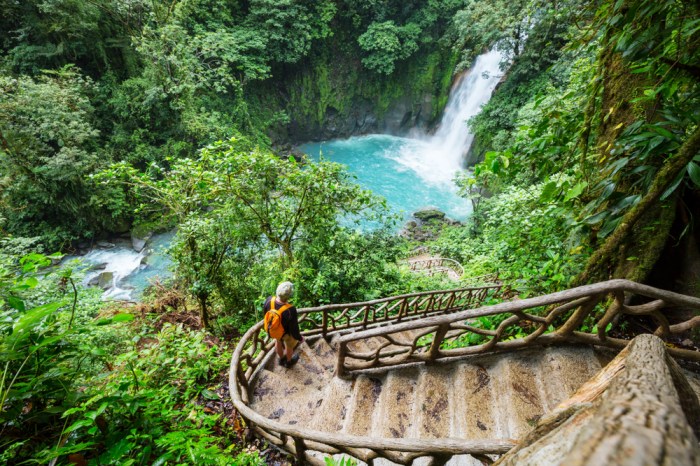
Costa Rica’s commitment to eco-tourism extends to its transportation infrastructure. While car rentals are common, prioritizing sustainable options significantly reduces your carbon footprint and supports local initiatives. This section explores various eco-friendly alternatives and their practical applications for your trip. Choosing sustainable transportation not only benefits the environment but also often offers a more immersive and authentic travel experience.
Sustainable transportation in Costa Rica presents a variety of choices, each with its own advantages and disadvantages. Careful consideration of cost, convenience, and environmental impact is crucial in selecting the best option for your travel style and itinerary.
Eco-Friendly Transportation Methods in Costa Rica
| Method | Cost | Environmental Impact | Accessibility |
|---|---|---|---|
| Public Buses (buses públicos) | Very Low | Low; significantly lower than private vehicles. | High; extensive network covering most areas. |
| Train (tren) | Low to Moderate | Low; efficient for longer distances. | Moderate; limited routes, primarily in the Pacific region. |
| Taxis/Ride-sharing with Hybrid or Electric Vehicles | Moderate to High | Lower than gasoline-powered vehicles; varies depending on vehicle type. | High in urban areas; availability of electric/hybrid options is increasing. |
| Bicycle | Very Low (if you own one); Moderate (rental) | Very Low; zero emissions. | Moderate; suitable for shorter distances and flatter terrain. |
| Walking | Very Low | Zero emissions. | High in urban areas and certain tourist destinations; limited in remote areas. |
Benefits of Sustainable Transportation
Choosing sustainable transportation offers numerous advantages beyond environmental protection. These include cost savings (especially with public buses), a deeper connection with the local culture through interactions with bus drivers and fellow passengers, and a more immersive experience by slowing down your travel pace and allowing for more observation of the surrounding environment. Additionally, supporting local public transport systems helps boost the local economy.
Conversely, relying heavily on rental cars can contribute to traffic congestion, increase your expenses (fuel, parking), and limit your exposure to the local community.
Sample Eco-Friendly Transportation Itinerary (7 Days)
This itinerary prioritizes public transportation and walking, showcasing how easily sustainable travel can be incorporated into a Costa Rican adventure. This example focuses on a trip between San José and La Fortuna, adjusting it for your specific destination is straightforward.
Day 1-2: San José
-Arrive at Juan Santamaría International Airport (SJO). Utilize the public bus system ( Tuasa or similar) to reach your accommodation in San José. Explore the city on foot and utilize taxis for longer distances, ideally opting for hybrid or electric options if available.
Day 3: Travel to La Fortuna
-Take a public bus from San José to La Fortuna. This journey offers stunning views and is a cost-effective way to travel between these two popular destinations. The bus ride takes approximately 3-4 hours.
Day 4-6: La Fortuna & Arenal Volcano
-Explore La Fortuna and the Arenal Volcano area primarily on foot or by bicycle. Consider organized tours that utilize sustainable transportation methods. Taxis can be used for longer distances within the region, prioritizing those using hybrid or electric vehicles.
Day 7: Departure
-Take a public bus back to San José for your departure flight from SJO.
Eco-Lodges and Sustainable Accommodation
Choosing sustainable accommodation is a crucial element of eco-friendly travel in Costa Rica. By opting for eco-lodges and other responsible lodgings, you directly support businesses committed to minimizing their environmental impact and contributing to the preservation of Costa Rica’s stunning natural beauty. This section will explore various options and highlight what makes a lodge truly sustainable.
Several eco-lodges across Costa Rica exemplify sustainable practices. These businesses demonstrate a commitment to environmental stewardship through their operational choices, offering travelers a guilt-free and enriching experience.
Examples of Sustainable Eco-Lodges in Costa Rica
The following list showcases a small selection of eco-lodges, highlighting their dedication to sustainability. Each lodge employs unique strategies, demonstrating the diverse approaches to eco-conscious hospitality.
- Pacuare River Lodge: Located in the rainforest, this lodge is only accessible by horseback or raft, minimizing its carbon footprint. They utilize solar power, practice responsible waste management, and actively participate in rainforest conservation projects. The lodge’s design seamlessly integrates with the natural environment.
- Nayara Springs: This luxury eco-lodge near Arenal Volcano employs geothermal energy for heating and focuses on water conservation through efficient plumbing and rainwater harvesting. They use locally sourced materials in construction and prioritize reducing waste through composting and recycling programs. Their commitment extends to supporting local communities.
- Lapa Rios Eco-Lodge: Situated in the Osa Peninsula, this lodge is built with sustainable materials and operates on renewable energy. They actively participate in reforestation efforts and have a strong commitment to protecting the surrounding rainforest ecosystem. Their dedication to wildlife conservation is evident in their numerous initiatives.
- Rancho de Lelo Ecolodge & Sustainable Farm: This lodge combines sustainable agriculture with eco-tourism. They grow their own food, use organic farming practices, and educate guests about sustainable living. They also offer a variety of eco-activities such as birdwatching and nature walks.
- El Establo: This mountain lodge in the San José area boasts a commitment to sustainable tourism. They focus on using locally sourced materials, implement energy-efficient systems, and promote responsible waste management. The lodge also prioritizes the employment of local staff, supporting the community’s economic well-being.
Comparison of Eco-Friendly Accommodation Types
Costa Rica offers a variety of sustainable accommodation options, each catering to different budgets and preferences. Understanding the distinctions helps travelers make informed choices aligned with their travel style and commitment to sustainability.
Eco-lodges often provide a more immersive nature experience, emphasizing luxury and comfort while maintaining a strong environmental focus. Sustainable hotels may offer similar amenities but might be located in more accessible areas. Eco-hostels provide budget-friendly options with a shared community environment, often promoting social and environmental responsibility. Finally, eco-cabins offer a more secluded and private experience, often featuring off-grid or low-impact designs.
Defining a Truly Sustainable Lodge
A truly sustainable lodge goes beyond simply claiming eco-friendly practices. It requires a multifaceted approach that integrates environmental, social, and economic considerations. Several key criteria define such a lodge.
- Environmental Stewardship: This includes minimizing energy consumption through renewable energy sources (solar, wind, geothermal), implementing water conservation measures (rainwater harvesting, low-flow fixtures), and practicing responsible waste management (recycling, composting, reducing single-use plastics).
- Social Responsibility: This involves fair labor practices, supporting local communities through employment and sourcing of goods and services, and respecting local cultures and traditions. Community involvement and engagement are crucial.
- Economic Sustainability: This encompasses long-term financial viability that doesn’t compromise environmental or social values. Profitability should be balanced with responsible resource management and community benefit.
- Environmental Certifications: Seeking lodges with certifications like the CST (Certification for Sustainable Tourism) demonstrates a commitment to meeting specific sustainability standards.
- Transparency and Accountability: A truly sustainable lodge will openly communicate its sustainability practices and allow for verification of its claims.
Minimizing Your Environmental Footprint
Responsible travel in Costa Rica goes beyond simply choosing eco-lodges; it involves actively minimizing your personal impact on the environment. By making conscious choices, you contribute to the preservation of this incredible country’s natural beauty for future generations. Small actions, when multiplied across many visitors, can make a significant difference.
Costa Rica’s stunning biodiversity is incredibly vulnerable to irresponsible tourism. Overuse of resources, pollution, and habitat destruction directly threaten the delicate ecosystems that make the country so unique. Your commitment to sustainable practices is crucial in mitigating these risks.
Practical Steps for Eco-Conscious Travel
Here are some practical steps you can take to lessen your environmental footprint during your trip:
- Reduce Waste: Pack a reusable water bottle and coffee cup to avoid single-use plastics. Carry reusable shopping bags for any purchases. Support businesses that actively minimize packaging. Properly dispose of waste in designated bins; avoid littering, even seemingly biodegradable materials like banana peels, as they can disrupt ecosystems.
- Conserve Water: Take shorter showers, turn off taps when not in use, and reuse towels. Be mindful of water usage in your accommodation.
- Respect Wildlife: Observe animals from a safe distance, never feed them, and avoid disturbing their natural habitats. Support tour operators who prioritize responsible wildlife viewing practices.
- Use Sustainable Transportation: Opt for public transportation, walking, cycling, or electric vehicles whenever possible. Consider carbon offsetting for flights.
- Support Local Communities: Choose locally owned restaurants and businesses. Purchase souvenirs from local artisans to support their livelihoods and preserve traditional crafts. Engage respectfully with local cultures, learning about their customs and traditions.
- Choose Eco-Certified Accommodations: Stay in eco-lodges and hotels that have demonstrably sustainable practices. Look for certifications such as the CST (Certification for Sustainable Tourism).
- Reduce Energy Consumption: Turn off lights and air conditioning when leaving your room. Be mindful of energy usage in general.
Supporting Local Communities and Businesses
Supporting local communities is integral to sustainable tourism. By choosing locally owned businesses, you directly contribute to the economic well-being of the region, reducing reliance on large corporations and promoting equitable development. This ensures that the benefits of tourism are shared more widely, fostering a sense of community ownership and pride in preserving the environment. Patronizing local restaurants, markets, and artisan shops helps to maintain cultural traditions and support local livelihoods.
This direct investment in the community reduces the negative impacts often associated with large-scale tourism development.
Consequences of Irresponsible Tourism
Uncontrolled tourism can lead to significant environmental damage in Costa Rica. Deforestation for hotels and infrastructure, pollution from waste and vehicles, and disturbance of wildlife habitats are major concerns. Overcrowding at popular tourist sites can lead to erosion, damage to delicate ecosystems, and stress on local resources. The irresponsible use of water and energy also puts a strain on already limited resources.
These consequences not only harm the environment but also diminish the very qualities that attract tourists in the first place. The long-term economic viability of tourism in Costa Rica depends on responsible practices that protect the natural environment and cultural heritage for generations to come. Examples of this damage include the degradation of beaches from overuse, the pollution of rivers and oceans from untreated sewage, and the loss of biodiversity due to habitat destruction.
Travel Deals, Resources, and Planning
Planning your eco-friendly Costa Rican adventure requires careful consideration, but it doesn’t have to break the bank. Many opportunities exist to find affordable and sustainable travel options, ensuring your trip is both rewarding and responsible. This section will guide you through finding the best deals, utilizing helpful resources, and packing efficiently for a low-impact journey.Finding the best deals often involves flexible travel dates and booking in advance.
Consider traveling during the shoulder seasons (April-May and September-October) to avoid peak tourist crowds and potentially secure better rates on flights and accommodation. Websites specializing in eco-tourism often feature last-minute deals or package offers that bundle flights, accommodation, and tours. Negotiating directly with smaller eco-lodges can also yield surprising savings.
Finding Travel Deals and Discounts
Securing affordable eco-friendly travel in Costa Rica is achievable with a little research and planning. Websites like Booking.com, Expedia, and Kayak often filter search results to highlight eco-certified hotels and lodges. Looking for deals on flights through aggregator sites like Skyscanner or Google Flights can also help reduce travel costs. Many eco-lodges offer discounts for longer stays or repeat visitors.
Consider subscribing to newsletters from your preferred eco-tourism companies to be alerted about special offers and promotions. Additionally, look for package deals that combine accommodation, transportation, and activities, often offering significant savings compared to booking each element separately.
Helpful Travel Resources
Utilizing various resources can significantly enhance your planning and experience. A wealth of information is available online and through dedicated apps. These tools can help you discover hidden gems, avoid over-tourism, and ensure a truly sustainable trip.
- Websites: Sustainable Travel International (www.sustainabletravel.org), Global Sustainable Tourism Council (www.gstcouncil.org), and Responsible Travel (www.responsibletravel.com) offer valuable insights and resources on sustainable tourism practices. Many national parks and reserves also have their own websites with information on permits, fees, and sustainable practices.
- Apps: Apps like PackPoint can help create customized packing lists based on your trip’s specifics. Citymapper or Moovit can assist with navigating public transport options within urban areas. Other apps focusing on sustainable travel may offer information on local businesses committed to eco-friendly practices.
- Blogs and Forums: Numerous blogs and online forums dedicated to sustainable travel provide firsthand accounts, tips, and recommendations from fellow travelers. These platforms can offer invaluable insights into hidden gems and lesser-known sustainable tourism initiatives.
Eco-Conscious Packing List
Packing light not only makes travel easier but also reduces your carbon footprint. Prioritize versatile clothing items that can be mixed and matched. Reusable items like water bottles, shopping bags, and food containers are crucial for minimizing waste.
- Lightweight, quick-drying clothing (choose natural fibers like cotton or linen when possible)
- Reusable water bottle
- Reusable shopping bag and food containers
- Sunscreen (reef-safe formula)
- Insect repellent (DEET-free options are preferable)
- Comfortable walking shoes
- Hat and sunglasses
- Biodegradable soap and shampoo
- First-aid kit
- Universal adapter (if needed)
- Copies of important documents (passport, visa, travel insurance)
Travel Insurance and Safety Considerations
Embarking on an eco-tourism adventure in Costa Rica, while incredibly rewarding, necessitates careful planning and preparation. A crucial aspect of this preparation involves securing comprehensive travel insurance and understanding potential safety concerns. This ensures both a smooth and safe journey, minimizing risks to both yourself and the environment.Travel insurance for eco-tourism trips in Costa Rica is highly recommended.
Costa Rica’s diverse landscape, encompassing lush rainforests, active volcanoes, and rugged coastlines, presents unique risks not always covered by standard travel policies. Comprehensive insurance should cover medical emergencies (including evacuation), trip cancellations or interruptions, lost or stolen belongings, and potential liability for unforeseen incidents. Consider policies that specifically address adventure activities like zip-lining, white-water rafting, or hiking in remote areas.
Checking policy details regarding pre-existing conditions is also crucial before purchasing a policy.
Potential Safety Concerns and Preventative Measures
Eco-tourism activities, while generally safe, present specific risks. Understanding these risks and taking proactive steps is essential for a worry-free trip.
- Wildlife Encounters: Costa Rica boasts incredible biodiversity. While most animals are harmless, maintaining a safe distance from wildlife is crucial. Never approach or feed animals, and always heed the advice of local guides. Carrying bear spray in certain areas might also be a wise precaution.
- Natural Hazards: Flash floods, landslides, and sudden storms are possibilities, particularly during the rainy season. Check weather forecasts regularly, and avoid activities in areas prone to these hazards during periods of high risk. Heeding warnings from local authorities is vital.
- Physical Activities: Many eco-tourism activities are physically demanding. Ensure you are adequately fit for the chosen activities and pack appropriate clothing and footwear. Staying hydrated is also paramount, especially during hikes and outdoor adventures.
- Road Safety: Driving conditions can vary significantly across Costa Rica. If renting a car, ensure you are comfortable with the driving conditions and have appropriate insurance. Consider using reputable transportation services for longer journeys.
Responsible Travel and Personal Safety
Responsible travel practices directly contribute to personal safety and environmental protection. By adhering to guidelines and respecting local customs, you minimize potential risks and ensure a positive impact.
- Respecting Wildlife: Avoiding disturbing wildlife habitats, refraining from feeding animals, and maintaining a safe distance significantly reduces the risk of negative encounters.
- Following Local Guidelines: Adhering to trail markers, speed limits, and instructions from guides enhances safety and minimizes environmental impact.
- Supporting Local Communities: Choosing eco-lodges and tour operators committed to sustainability ensures responsible practices, contributing to both personal and environmental safety.
- Minimizing Waste: Reducing your carbon footprint and properly disposing of waste reduces environmental damage and enhances overall safety within ecosystems.
Illustrative Examples of Sustainable Practices
Costa Rica’s commitment to sustainable tourism is evident in various initiatives across the country. From wildlife sanctuaries prioritizing conservation to community projects boosting local economies, numerous examples showcase the successful integration of environmental protection and economic development. The following examples highlight the diverse ways in which sustainability is being implemented and the positive impacts it has on both the environment and the communities involved.
The Pacuare River Lodge: A Model of Ecotourism
The Pacuare River Lodge, nestled in the heart of the rainforest, exemplifies successful ecotourism. Accessible only by horseback or raft, this lodge minimizes its environmental footprint through its commitment to renewable energy, responsible waste management, and the preservation of the surrounding rainforest. The lodge actively supports local communities by employing locals, sourcing food locally, and contributing to community development projects.
Its focus on adventure tourism, such as white-water rafting, offers unique experiences while educating guests about the importance of environmental conservation. The lodge’s commitment to minimizing its impact, coupled with its strong community engagement, has made it a globally recognized model for sustainable tourism. Its success hinges on its commitment to preserving the natural environment while creating economic opportunities for the local population.
The lodge’s reputation for exceptional service and its unique location also contribute to its ongoing success.
La Paz Waterfall Gardens: Wildlife Conservation and Community Engagement
La Paz Waterfall Gardens is a stunning wildlife sanctuary showcasing Costa Rica’s incredible biodiversity. Five breathtaking waterfalls cascade through lush rainforest, home to a wide variety of flora and fauna, including hummingbirds, monkeys, jaguars, and numerous species of birds. The sanctuary actively participates in conservation efforts through breeding programs for endangered species, research initiatives, and habitat restoration projects.
It also plays a crucial role in community development by providing employment opportunities to local residents and supporting educational programs focused on environmental awareness. The vibrant colors of the macaws, the playful antics of the monkeys swinging through the canopy, and the sheer power of the waterfalls create a truly unforgettable experience. The dense vegetation teems with life, from colorful orchids and bromeliads to giant ferns and towering trees, providing a rich habitat for a diverse range of animals.
The sanctuary’s commitment to both conservation and community development exemplifies the interconnectedness of environmental protection and social progress.
A Sustainable Community Project: The Cooperative of Artisans in Monteverde
Imagine a vibrant village nestled in the cloud forests of Monteverde. This visual representation depicts a cooperative of local artisans showcasing their handcrafted goods, made from sustainably sourced materials. The cooperative’s central building, constructed using reclaimed wood and featuring a solar-powered lighting system, serves as a hub for creation and commerce. Around the building, lush gardens provide fresh herbs and vegetables for local consumption, reducing reliance on imported goods.
The cooperative’s success is measured not only by its economic prosperity but also by its positive environmental impact: reduced waste, lower carbon footprint, and the preservation of traditional craftsmanship. This community-based project demonstrates how sustainable practices can strengthen both the local economy and the environment, fostering a sense of pride and ownership within the community. The vibrant colors of the textiles, the intricate designs of the pottery, and the welcoming atmosphere of the cooperative represent the heart of sustainable community development.
By embracing sustainable practices, you can contribute to the preservation of Costa Rica’s unparalleled natural beauty for generations to come. This guide provides the tools and information necessary for planning an unforgettable eco-friendly adventure, ensuring that your travels leave a positive impact on both the environment and the local communities. Remember, responsible travel is not just about minimizing harm; it’s about actively contributing to the well-being of the destinations we explore.
User Queries
What is the best time to visit Costa Rica for eco-tourism?
The dry season (December to April) offers the best weather for outdoor activities, but the shoulder seasons (May-June and September-November) offer fewer crowds and lower prices.
How much does eco-friendly travel in Costa Rica cost?
Costs vary greatly depending on your travel style and choices of accommodation and activities. Budgeting for mid-range options is recommended.
Are there any language barriers in Costa Rica?
Spanish is the official language, but English is widely spoken in tourist areas. Learning basic Spanish phrases is always helpful.
What vaccinations are recommended for Costa Rica?
Consult your doctor regarding recommended vaccinations and necessary precautions based on your health history and travel itinerary.